

Why the summit is considered critical
The meeting in Ankara may determine the future course of NATO at a particularly critical juncture, notes Modern Diplomacy in its analysis. The Alliance is faced with multiple challenges: maintaining the American commitment under the presidency of Donald Trump, Europe assuming greater responsibility for its defense, increasing defense production, continuing support for Ukraine, and the long-term deterrence of Russia. The decisions to be made in Ankara are expected to influence European security, defense investments, and transatlantic relations for many years to come.
The biggest political challenge: The US commitment
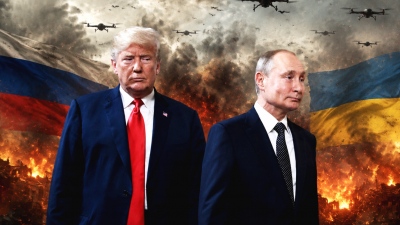
The most immediate political challenge for NATO remains maintaining full American commitment to the Alliance.Donald Trump has repeatedly questioned the usefulness of NATO, criticized European allies for their low defense spending, and even hinted at the possibility of the United States withdrawing from the Alliance. For this reason, NATO officials are seeking to reinforce Washington's commitment to Article 5, which provides for the collective defense of all member states. At the same time, disagreements over Greenland and differing approaches toward the conflict with Iran have further strained transatlantic relations.
Europe is called upon to shoulder a greater burden
Washington now seeks for European countries to assume the primary responsibility for the defense of Europe, allowing the United States to focus more on the Indo-Pacific and the strategic competition with China. The US has already scaled back some of the military capabilities it had committed to NATO for periods of crisis, while European countries are trying to fill the void. However, doubts remain as to whether Europe can complete this transition without weakening the overall deterrent power of the Alliance.
The big gamble of funding
Increasing defense spending remains one of the greatest political and economic challenges. Member states have committed to raising defense spending to 5% of GDP within the next decade, of which 3.5% will concern purely military capabilities and 1.5% infrastructure and resilience-building actions. Despite the increase in defense budgets across Europe and Canada, many governments face domestic political pressures, as military spending competes with funding for healthcare, pensions, and other social policies.
The defense industry cannot keep up with demand
Increasing budgets is not enough on its own to strengthen NATO if the defense industry is unable to respond. Announcements for new arms programs worth billions of dollars are expected in Ankara; however, the lengthy delays in the production of weapons, ammunition, aircraft, and other critical systems remain a major problem. The Alliance's leaders are aiming for a faster increase in production capacity and a reduction in delivery times.
Russia remains the primary threat
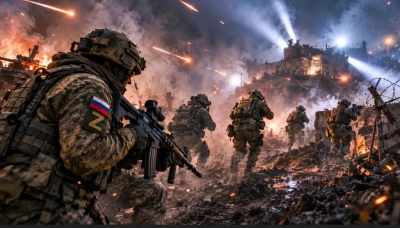
Despite the significant losses it has sustained in the war in Ukraine and international sanctions, Russia is still considered the primary long-term military threat to NATO. Moscow continues to dedicate substantial financial resources to defense, while maintaining strong military pressure both in Ukraine and on the Alliance's eastern flank. NATO leaders are expected to reaffirm that strengthening deterrence against Russia remains a top strategic priority.
Supporting Ukraine is becoming increasingly difficult
More than four years after the start of the Russian invasion, member states continue to provide financial and military aid to Kyiv. However, sustaining this support is becoming increasingly difficult, as many governments face fiscal pressuresand intensifying political disputes over the cost of the aid. Maintaining allied unity is expected to be one of the core issues of the summit.
The key players
The United States seeks a Europe that is more self-sufficient defensively, so that Washington can focus more resources on the competition with China. European countries are increasing military spending and boosting their capabilities, but are called upon to balance security needs and fiscal pressures. Ukraine remains heavily dependent on Western military and financial aid to continue its defense. Russia remains NATO's primary strategic adversary, while the defense industryis under mounting pressure to accelerate production to meet ever-increasing demand.
The future of the Alliance
The Ankara summit is not expected to lead to spectacular policy shifts, but rather to confirm the long-term transformation of NATO. European countries are projected to continue increasing their defense expenditures and replacing part of the American military capabilities, while cooperation in defense production will gain even greater significance. Concurrently, relations with Washington will continue to be a defining factor for the cohesion of the Alliance, as the Trump administration demands that Europeans shoulder a larger share of the defense burden.
A historic transition for NATO
NATO is undergoing one of its most important strategic transitions since the end of the Cold War. The Alliance is no longer focused exclusively on deterring Russia, but is also adapting to the new American strategy, which prioritizes competition with China and demands greater defense autonomy from Europe. The war in Ukraine accelerated this process, exposing the weaknesses of the European defense industry and the need for larger stockpiles of ammunition and military equipment. Ultimately, the greatest challenge for NATO is not only confronting external threats, but also managing the political, economic, and strategic differences within the Alliance, while maintaining its credibility and cohesion during a period of intense geopolitical realignments.
www.bankingnews.gr




Σχόλια αναγνωστών